Guide to waste removal for Brixton Market stalls and shops
Posted on 28/08/2026
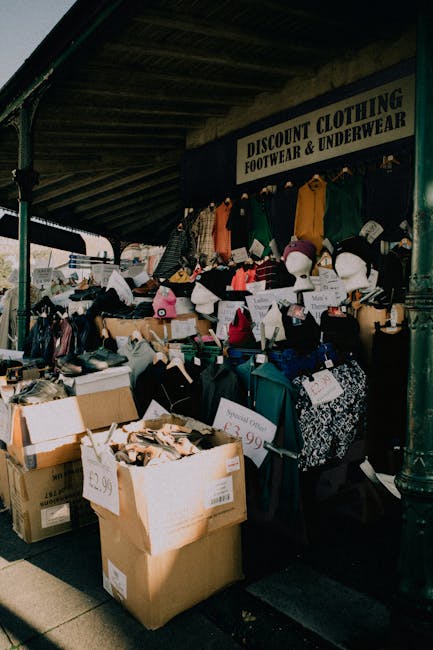
If you run a stall or shop around Brixton Market, waste has a way of piling up fast. Cardboard after a busy morning, spoiled produce by closing time, takeaway packaging, broken display bits, and the odd bulky item that suddenly appears in the back room. It is messy, it is constant, and if you do not have a proper system, it can start affecting everything from presentation to compliance.
This guide to waste removal for Brixton Market stalls and shops is here to make the whole thing feel more manageable. We will walk through how market and retail waste works in real life, what to separate, what to avoid, how to choose a sensible collection method, and where people most often get caught out. Nothing fancy. Just practical guidance you can actually use on a Tuesday morning when the market is already buzzing.
Why waste removal for Brixton Market stalls and shops Matters
In a market setting, waste is not just a back-of-house problem. It is visible. Customers see the bin bags by the stall, the cardboard leaning into the walkway, the crate of mixed rubbish that should have gone out an hour ago. That all affects how a place feels. And in Brixton, where the atmosphere is part of the appeal, first impressions matter more than people sometimes admit.
For stalls and shops, good waste removal supports four things at once: hygiene, efficiency, appearance, and compliance. Miss one of those and the whole operation feels a bit off. You may not notice it in the first ten minutes, but by the end of a busy day, the smell, clutter, and stress become obvious. To be fair, that is usually when people decide they need a better setup.
There is also a commercial side. Waste costs money when it is handled badly. Overfilled bins lead to extra trips. Poor sorting leads to higher disposal charges. Loose rubbish can attract pests or create slip hazards. And if your collection schedule does not match your trading pattern, you end up paying twice in time and effort. If you are already thinking about making your operation smoother, the broader advice in our services overview can help you see how different collection types fit together.
Some traders also underestimate how much waste management affects reputation. Brixton shoppers are quick to notice when a stall looks sharp and cared for. They notice the opposite too. It is one of those quiet details people do not praise, but they absolutely register.
How waste removal for Brixton Market stalls and shops Works
At a practical level, waste removal starts with sorting. Not everything can or should go into one bag. Cardboard, mixed general waste, food waste, plastics, and bulky items often need different handling. That is true whether you are running a fruit stall, a clothing rack, a deli counter, or a small independent shop nearby.
The basic workflow is usually simple:
- Separate waste at source as it is created.
- Store it safely in the right containers or sacks.
- Keep recyclable materials clean enough to recover where possible.
- Schedule collections before waste starts spilling into customer areas.
- Use a licensed carrier for anything that leaves your premises.
That sounds straightforward, and often it is. The tricky part is timing. Market stalls generate waste in bursts, not neatly and evenly. A delivery arrives, boxes multiply, then lunch rush kicks in, then the day ends and everything needs clearing quickly. Shops are a bit steadier, but stock changes, refurbishments, and seasonal peaks can still create sudden surges.
That is why flexible collection matters. A small stall might only need an end-of-day uplift on busy trading days. A shop with back-of-house stock turnover may need regular commercial waste collection plus occasional bulky clearances. If you are dealing with mixed commercial rubbish, the dedicated commercial waste removal in Brixton page is a useful reference point for what that typically covers.
One thing people sometimes miss: waste removal is not only about taking rubbish away. It is also about reducing the amount of rubbish you produce in the first place. Better packing habits, smarter stock rotation, and a little staff training can cut volumes more than people expect. Small change, big difference. Weirdly satisfying too.
Key Benefits and Practical Advantages
Good waste removal is one of those unglamorous business systems that quietly pays for itself. You rarely get thanked for it, but you feel the absence of it immediately.
- Cleaner trading spaces: Less clutter makes stalls and shops look more professional and welcoming.
- Better hygiene: Food waste, packaging, and mixed rubbish are handled before they become a problem.
- Lower operational stress: Staff spend less time dealing with mess and more time serving customers.
- Smarter recycling: Cardboard, plastics, and other recoverable items are easier to separate.
- Reduced trip hazards: Clear walkways matter when footfall is heavy and space is tight.
- More predictable costs: Planned removals are usually easier to budget for than emergency clearances.
There is also a morale benefit, which people often ignore. A clean stall at the end of the day just feels better. The team leaves in a better mood. Opening the next morning is less grim. And when you are trading in a lively place like Brixton Market, that matters more than it might sound on paper.
Expert summary: The best waste setup is usually not the one with the most bins. It is the one your team can follow consistently during busy trading, without thinking too hard about it.
If you are thinking long term, sustainable handling also matters. A well-structured approach can support recycling and reduce the amount going to general disposal. For a wider look at that topic, see recycling and sustainability and the related discussion around the challenges of recycling programs.
Who This Is For and When It Makes Sense
This guide is for anyone operating in or around Brixton Market who creates regular commercial waste. That includes food stalls, coffee vendors, fresh produce sellers, clothes retailers, small convenience shops, florists, and pop-up traders. It also applies to shops with limited storage, because limited space makes waste harder to hide. And that is exactly the problem.
It makes sense to tighten up your waste process if any of these sound familiar:
- You are regularly carrying bags through customer areas because there is nowhere sensible to keep them.
- Cardboard is stacking up faster than you can flatten it.
- Collection days never quite match your busiest trading times.
- Staff are unsure what can be recycled and what cannot.
- You have had a pest issue, odour issue, or customer complaint.
- You are doing a refit, stock clear-out, or seasonal changeover.
It also makes sense if your business is growing. What worked when you had a few crates a week may not work once you are receiving bigger deliveries or serving more footfall. That growth moment can be sneaky. One day it is fine, then suddenly the back area feels like a storage puzzle no one signed up for.
For traders who occasionally need a larger clearance, it may be worth looking at broader support such as rubbish collection in Brixton or, when there are big unwanted items involved, waste removal solutions in Brixton. Not every job needs the same approach. That is the point, really.
Step-by-Step Guidance
If you want a clean, workable system, start simple. You do not need a masterplan on day one. You need something your staff will actually use on a wet Friday when deliveries are late and the queue is already out the door.
1. Map your waste streams
List the kinds of waste your business produces across a normal week. For example: cardboard, plastic wrap, food waste, damaged stock, paper, broken fixtures, and occasional bulky items. This is the part where a lot of people realise they have more categories than they thought. Fair enough.
2. Estimate volume by busy and quiet periods
Waste in a market stall is rarely steady. A festival weekend, payday Friday, or a seasonal promotion can create more packaging and customer waste than usual. Shops also feel this during launches and stock changes. The more clearly you understand your peaks, the easier it is to size bins and plan collections.
3. Decide what stays on site and what goes out quickly
Some materials can wait. Others should not. Food waste and anything that smells should leave fast. Cardboard can often be stored temporarily if it stays dry and flattened. Damaged items and bulky debris should be removed promptly so they do not take over valuable floor space.
4. Set up labelled containers
Use clear labels, not just colour and hope. Staff change, cover shifts happen, and people get busy. The label should make the choice obvious at a glance. The fewer decisions a tired person has to make, the better the sorting result.
5. Train everyone who touches the waste
That includes not only managers but weekend staff, casual workers, and anyone covering a shift. Keep the instructions short. A half-page sheet near the back door is often more useful than a polished manual nobody reads.
6. Arrange a collection rhythm
Choose a schedule that matches your trading pattern. For some businesses, that may mean frequent small clearances. For others, it may be one regular collection plus an occasional ad hoc pickup. If you want faster turnaround during busy spells, the insights in same-day quotes and fast collection can help you understand how responsive pickup services are typically framed.
7. Review and adjust monthly
Waste habits drift over time. New packaging arrives, a product line changes, or one staff habit suddenly creates more contamination. A monthly review keeps things honest. Nothing dramatic. Just a quick look at what is filling up, what is not, and what can be improved.
Expert Tips for Better Results
Once the basics are working, a few small habits can make waste handling much smoother.
- Flatten cardboard immediately. It saves a surprising amount of space. Leaving boxes intact is how a tidy back room becomes a cardboard canyon.
- Keep dry recyclables dry. Wet cardboard often stops being recyclable in practice. Cover storage points if weather exposure is an issue.
- Position bins where work happens. If recycling is too far away, people will use the nearest thing. Humans are efficient like that, for better or worse.
- Keep contaminated waste separate. One food-soiled item can ruin a whole bag of otherwise useful material.
- Use clear timing rules. For example, all packaging goes out after receiving, and all food waste goes out before closing.
- Plan for end-of-week peaks. Market weeks often end with a bigger clear-out than Monday to Wednesday.
Another useful habit is to treat the back-of-house area like customer space. Not in a dramatic way, just with the same care. If the storage corner is chaotic, the whole operation tends to become a bit chaotic. It spills over. Always does.
If you are dealing with old fittings, stockroom clutter, or worn furniture alongside day-to-day rubbish, it may be better to pair routine collection with a one-off clearance from services such as office clearance in Brixton or furniture disposal in Brixton.

Common Mistakes to Avoid
Most waste problems in small retail and market businesses do not come from one giant failure. They come from small habits that never got fixed.
- Mixing everything together. It is easy in the moment, but it creates more sorting headaches later and can make recycling less effective.
- Letting cardboard build up. This is the classic one. It starts with one stack and then suddenly half the back area is a cardboard sculpture.
- Ignoring collection timing. If waste waits too long, it gets in the way of trading and creates odour or pest risk.
- Not checking carrier legitimacy. A cheap collection is no bargain if the waste is handled badly after it leaves your site.
- Forgetting bulky items. Broken display units, shelving, and old stock can be left behind because everyone is focused on the bags.
- Assuming one system fits every season. It rarely does, especially in retail.
One more mistake worth calling out: not recording what leaves your site. A simple log helps you spot patterns, confirm collections, and feel more in control. It does not have to be pretty. A notebook or spreadsheet is fine. Nobody needs a museum piece.
Tools, Resources and Recommendations
You do not need a huge kit to manage waste well. In fact, too much equipment can be part of the problem. Start with what makes sorting and storage easier.
- Heavy-duty bin liners for mixed waste and food waste.
- Clearly labelled sacks or bins for cardboard, mixed recycling, and general waste.
- Cardboard flatteners or simple cutters to reduce volume.
- Stackable crates for clean packaging and separated materials.
- Covered storage if your collection point is exposed to rain or public access.
- A basic waste log for noting collection dates and volumes.
If you are comparing collection options, a few pages are especially useful for context. For pricing clarity, see pricing and quotes. For payment reassurance, payment and security is worth a look. And if you want to understand how safety and handling are approached, insurance and safety offers helpful background.
For traders who want a wider company overview before making decisions, the pages on about us and terms and conditions are also sensible reading. They are not the exciting bits, I know. But they often answer the questions people only remember to ask after they have booked something.
Law, Compliance, Standards and Best Practice
Waste handling for stalls and shops sits within UK commercial waste expectations, so it should be treated seriously. That does not mean every trader needs to become a compliance expert, but it does mean you should know the basics.
As a general rule, commercial waste should be transferred to a properly licensed carrier. You should also be satisfied that waste is being handled, transported, and disposed of responsibly. Keeping records is sensible too, particularly if your business generates regular volumes or mixed waste streams.
There is also a duty of care mindset that is worth adopting even if you never use that exact phrase in day-to-day trading. In plain English: know what your waste is, store it safely, hand it over to the right people, and keep a record of it. That protects your business and reduces unpleasant surprises later.
Best practice for Brixton Market stalls and shops usually includes:
- sorting waste at source where possible;
- keeping storage areas tidy and secure;
- using licensed carriers for removals;
- avoiding contamination of recyclables;
- removing food waste frequently enough to prevent hygiene issues;
- documenting collections and any one-off clearances.
If your waste load includes specialist items like appliances, furniture, or renovation debris, it is better to use the right disposal route rather than squeezing it into a general rubbish solution. For example, appliances and white goods are not the same as shop packaging, and building debris belongs in a different workflow again. The related service pages for white goods and appliance disposal and builders waste disposal are useful references when those situations crop up.
There is also a trust angle here. A business that handles waste responsibly looks more reliable, full stop. That can matter when landlords, neighbouring traders, or customers are making quiet judgments about how you operate. Bit unfair maybe, but true.
Options, Methods and Comparison Table
Different waste setups suit different businesses. The best choice depends on trading hours, available storage, waste type, and how often your volumes change.
| Method | Best for | Pros | Trade-offs |
|---|---|---|---|
| Regular scheduled collections | Stalls and shops with predictable waste | Simple to plan, good for steady volume, less last-minute stress | Can feel restrictive if business levels change suddenly |
| Ad hoc collections | Businesses with irregular peaks or clear-outs | Flexible, useful for seasonal surges and one-off jobs | Needs closer monitoring so waste does not build up |
| Mixed waste plus recycling split | Most retail and market traders | Supports cleaner sorting and lower residual waste volumes | Needs staff buy-in and clear labelling |
| One-off bulky clearance | Refits, stockroom changes, damaged fittings | Quick removal of awkward items, frees space fast | Not a replacement for routine waste planning |
In practice, many Brixton traders use a hybrid setup. That is usually the most sensible approach. A regular collection for the ordinary day-to-day waste, plus occasional support for bulky items or seasonal spikes. If you want a broader sense of how that can work around different property types too, domestic waste collection in Brixton and house clearance in Brixton can give a feel for the different scales involved, even though the needs are obviously not the same.

Case Study or Real-World Example
Picture a small market stall selling fresh produce and packaged snacks. On a busy day, it receives a couple of deliveries, opens crates, unwraps stock, and deals with customer waste from samples and packaging. By midday, the boxes are already getting in the way. By closing, the stall has a mix of cardboard, plastic wrap, soft food waste, and a few damaged items that cannot be sold.
At first, the trader keeps everything in one bin and hopes for the best. It works, sort of, until the bin overflows and the back area starts smelling. Staff waste time making repeated trips, customers notice the mess, and one rainy afternoon the cardboard gets wet and becomes harder to handle. Nothing catastrophic. Just annoying, constant, and completely avoidable.
Now compare that with a simple system: cardboard flattened after each delivery, food waste bagged separately, a clearly marked container for general waste, and a scheduled collection at the end of peak days. The stall still creates waste, of course. That part does not vanish. But the space stays usable, the team spends less time firefighting, and the closing routine becomes much calmer.
The same logic applies to small shops. A clothing store with packaging, hangers, old display units, and seasonal stock changes can keep things tidy if waste is planned rather than reacted to. A little structure turns a constant nuisance into a manageable task. Not glamorous, but very real.
Practical Checklist
Use this checklist to tighten up waste removal for Brixton Market stalls and shops.
- Identify every waste stream your business creates.
- Separate recycling, food waste, mixed waste, and bulky items.
- Label bins and storage points clearly.
- Train staff on what goes where.
- Keep cardboard flattened and dry.
- Schedule collections around trading peaks.
- Make sure waste never blocks customer or staff walkways.
- Use a licensed carrier for commercial waste removal.
- Keep simple records of collections and clearances.
- Review the system monthly and adjust if volumes change.
Quick takeaway: if your waste process feels confusing, the fix is usually not more effort. It is clearer sorting, better timing, and a system people can follow without thinking too hard.
Conclusion
Waste removal for Brixton Market stalls and shops works best when it is treated as part of day-to-day operations, not as an afterthought. A tidy, well-organised approach keeps trading spaces safer, cleaner, and more professional. It also saves time, reduces stress, and makes it easier to stay on top of the practical side of running a busy business in a lively part of London.
The good news? Most improvements are simple. Flatten boxes earlier. Separate waste properly. Match collections to trading patterns. Keep the back area under control. Do those basics consistently and you will feel the difference pretty quickly, usually before the week is out.
If you are ready to make your waste system easier to manage, start with the collection method that fits your volume, space, and trading rhythm best. Small steps first. That is usually how the best systems are built.
Get a free quote today and see how much you can save.