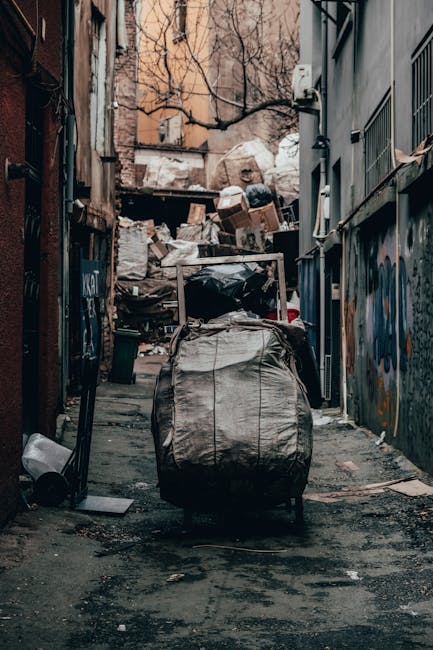
Acre Lane flat rubbish removal Brixton before after case study
Posted on 10/10/2026
If you are dealing with a cramped flat, a narrow staircase, and a pile of unwanted items that seems to grow overnight, you are not alone. An Acre Lane flat rubbish removal Brixton before after case study is useful because it shows what actually happens in a real London flat clear-out: what was there before, how the removal was planned, and what the space looked like after the dust settled. That kind of example is far more helpful than generic advice. It gives you a feel for timing, access issues, sorting decisions, and the kind of result you can realistically expect.
In Brixton, especially around Acre Lane, flats often come with the usual headaches: limited parking, shared entrances, awkward stairwells, and not much room to store bags, boxes, or broken furniture. So this guide breaks the process down properly. You will see why it matters, how the work is usually carried out, what benefits it brings, and where people commonly go wrong. Truth be told, the difference between a messy flat and a calm one can be surprisingly dramatic.
It is also a practical decision-making guide. If you are comparing rubbish removal options, trying to understand how flat clearance works, or just wondering whether it is worth booking help at all, this article should answer the questions you actually have.

Why Acre Lane flat rubbish removal Brixton before after case study Matters
A before-and-after case study is not just a nice marketing format. It helps you understand the real-life shape of the job. A flat in Brixton is rarely an empty, easy-to-access space. More often, it is a mix of old furniture, black bags, packaging, worn-out appliances, and the odd item someone meant to deal with months ago. You know how it goes. One chair becomes three, then there is a mattress, then a box of cables nobody wants to open.
For local residents, landlords, tenants, and managing agents, the value of a case study is practical clarity. It shows how much can be cleared in one visit, what kind of access challenges might come up, and how the flat can be restored to a usable condition. That matters if you are trying to hand back a tenancy, prepare a property for sale, or simply reclaim your living room from clutter.
It also helps set expectations. Flat rubbish removal is not always the same as a typical house clearance. In a Brixton flat, every extra bag has to move through shared hallways, stairs, or lifts without causing mess or disruption. If you want a job done well, the planning matters almost as much as the lifting.
To be fair, people often judge removal services on the final result only. But the before stage is where the real work begins. The more clearly that stage is understood, the smoother the after stage becomes.
How Acre Lane flat rubbish removal Brixton before after case study Works
Most flat rubbish removal jobs follow a simple but careful flow. The details vary depending on the property, the amount of waste, and whether bulky items are involved, but the structure is usually similar.
1. Initial assessment
The first step is identifying what needs to go. That could include general household rubbish, broken furniture, old white goods, bagged waste, mixed junk, or items left behind after a move. In a flat on Acre Lane, access details matter early on: is there parking nearby, are there stairs, is the waste on one floor or spread across several rooms?
2. Sorting and loading plan
Once the scope is clear, the waste is sorted into sensible categories. Not everything belongs in the same pile. Reusable items, recyclable materials, and general rubbish may each need different handling. A tidy plan saves time and reduces the chance of damage in tight communal areas.
3. Safe removal from the flat
The lifting stage is where experience shows. Large items need to be moved carefully through narrow hallways and down staircases without knocking walls, doors, or banisters. If the building has neighbours close by, a quiet, efficient process is better for everyone. Nobody wants a mattress wedged in a stairwell at 8 a.m. on a weekday.
4. Responsible disposal
After collection, the waste should be taken to the appropriate facility. Good practice in the UK means separating recyclable material where possible and disposing of rubbish through legitimate channels. That is especially important if the load includes electrical items, bulky furniture, or mixed waste.
5. Final sweep and visual finish
The real value of a before-and-after result is in the finish. Once the main items are gone, the space should feel lighter, cleaner, and usable again. Sometimes it is the little things you notice first: the floor is visible, the hallway breathes again, and the room no longer has that stale, packed-in feeling.
Key Benefits and Practical Advantages
There are a few reasons people choose professional flat rubbish removal rather than trying to handle everything themselves. Some are obvious, some less so.
- Speed: A team can often clear a flat much faster than one person working alone over a weekend.
- Reduced stress: You do not have to organise transport, lifting, or multiple trips.
- Better access handling: Experienced crews know how to work in tight stairwells and communal entrances.
- Safer lifting: Heavy or awkward items are moved with less risk of injury.
- Cleaner finish: A proper clearance leaves the space ready for cleaning, letting, or redecorating.
- Better sorting: Recyclable and reusable items can be separated more sensibly than in a rushed DIY job.
There is also a less obvious benefit: momentum. Once the clutter starts disappearing, people often feel able to make better decisions about what to keep. That sounds small, but in a flat that has felt stuck for months, it can be the turning point.
A good before-and-after result is not just visual. It changes how the flat functions. Doors open properly, you can move around without sidestepping boxes, and the whole place feels less heavy. Mildly dramatic? Maybe. Still true.
Who This Is For and When It Makes Sense
This kind of service is useful for a wide range of people. If any of the situations below sound familiar, a flat rubbish removal job may be the right move.
- Tenants moving out: When you need to return a flat in a clear, presentable condition.
- Landlords and letting agents: After a tenancy ends, especially when items have been left behind.
- Homeowners downsizing: When old furniture and unwanted items are taking up valuable room.
- People clearing after a renovation: Especially when bags, packaging, and broken fixtures are piling up.
- Families handling a sensitive clear-out: When there is a lot to sort through and emotional energy is already stretched.
- Anyone with limited access or time: The combination of stairs, work schedules, and bulky waste makes DIY removal awkward fast.
It also makes sense when waste has become unsafe or inconvenient. A blocked hallway, a pile of bags near the front door, or old furniture leaning at an angle in a small room can become more than an eyesore. It can interfere with day-to-day life. And in a flat, where space is already at a premium, every square foot matters.
Sometimes people wait too long because they think, "I will sort it next month." Then next month arrives, and the pile is still there. Familiar story, that one.
Step-by-Step Guidance
If you are planning your own Acre Lane flat rubbish removal, a calm step-by-step approach works best. Rush the job and it becomes awkward. Plan it, and it is much easier.
- Walk through the flat room by room. Identify everything that needs to go. Separate obvious rubbish from items you might keep, donate, or recycle.
- Measure bulky items and note access points. This includes sofas, wardrobes, mattresses, and white goods. Check whether they will fit through doors and stair turns.
- Check building access details. Is there parking nearby? Are there restrictions? Is there a lift? Will neighbours need to be informed?
- Decide what needs urgent removal. Items blocking pathways, damaged furniture, or waste that smells should usually be dealt with first.
- Prepare the waste area. If possible, group items together so they can be loaded efficiently. Clear small loose pieces from the floor.
- Choose the right removal method. A small amount of bagged waste may only need collection, while a full flat clear-out may benefit from a more structured service.
- Confirm disposal expectations. Ask how recyclable materials are handled and how the job will be finished.
- Do a final room check. After the removal, look for overlooked drawers, corners, and awkward spaces behind doors or under beds.
A useful rule of thumb: sort first, move second. It seems obvious, but people often start lifting before they have made decisions, and that is where delays begin.
Expert Tips for Better Results
In our experience, the best results come from a few practical habits rather than one grand gesture.
Tip 1: Clear the smallest items first. Loose rubbish, bags, and clutter on the floor make the room feel worse than one big item does. Once the small stuff is gone, the space immediately looks more manageable.
Tip 2: Keep a "maybe" box. If you are unsure about a few items, put them aside rather than making a rushed keep-or-ditch decision. That tiny buffer can stop unnecessary regret later.
Tip 3: Protect communal areas. Flat clearances in Brixton often involve shared hallways and stairways. Using care with doors, walls, and lifts is not just polite; it helps avoid awkward conversations afterwards.
Tip 4: Think about timing. Early morning and late evening collections can affect neighbours more than midday work. If access is awkward, a quieter time window may make sense.
Tip 5: Recycle where you can. Some items are not rubbish in the emotional sense, but they are no longer useful in your flat. Recyclable material and reusable goods should be handled as responsibly as possible.
Expert summary: The cleanest flat clear-outs are usually the ones with the clearest decisions. Know what is going, know how it leaves the property, and leave a bit of breathing room for the unexpected. That last part matters more than people think.
One slightly old-school but useful tip: keep a bin liner and a roll of tape nearby. It sounds almost laughably simple, but when you are halfway through clearing a cupboard and find a jumble of cables, receipts, and broken bits, you will be glad you did.

Common Mistakes to Avoid
Most flat rubbish removal problems come from a handful of avoidable mistakes. These are the ones that crop up again and again.
- Underestimating the volume: A flat can look "not too bad" until you start moving everything out. Then it multiplies. Odd how that works.
- Ignoring access issues: Tight stairs, no parking, and shared entrances can slow the job down if they are not planned for.
- Mixing everything together: Bagging recyclable items with general waste can make disposal less efficient.
- Leaving sorting until the last minute: Decisions made in a hurry are often the least tidy ones.
- Forgetting fragile or sentimental items: Small items tucked into drawers or shelves are easy to overlook.
- Choosing a service without checking compliance: Waste should be handled properly, not just removed from sight.
Another common slip is assuming the "after" stage will magically take care of itself. It will not. A flat can be emptied but still feel chaotic if the remaining items are not arranged or cleaned properly. A little finishing discipline goes a long way.
Tools, Resources and Recommendations
You do not need a warehouse full of equipment to manage a flat clear-out, but a few basic tools help a great deal.
- Heavy-duty sacks: Better than overfilled supermarket bags that split on the stairs.
- Gloves: Useful for dusty items, broken packaging, and general handling.
- Tape and labels: Helpful for marking keep, donate, recycle, and remove piles.
- Furniture sliders or blankets: These can help protect floors and reduce friction when moving bulky items.
- Trolley or sack truck: Particularly useful if there is a lot of boxed waste or heavier items.
For people who want a broader sense of service options, the website's services overview is a useful starting point. If the job includes mixed domestic waste, the page on domestic waste collection in Brixton can help you understand how a smaller household load might be handled. For bigger clear-outs, especially if the flat has accumulated furniture, the house clearance Brixton and furniture removal Brixton pages are worth a look.
If you are also dealing with broken appliances or old kitchen gear, the white goods and appliance disposal Brixton page is more relevant. For general pricing context, you can also review the company's pricing and quotes information. That can help you ask better questions, which is always half the battle.
Law, Compliance, Standards, or Best Practice
Rubbish removal in the UK should be handled carefully and through legitimate waste routes. For readers in Brixton, the practical point is simple: do not hand waste to anyone who cannot demonstrate that they operate responsibly. If waste is fly-tipped after collection, the original producer of the waste can end up with a headache they really did not need.
Good practice usually includes proper loading, sensible sorting, and disposal through authorised facilities. It also means being careful with electrical items, sharp objects, and anything that may need special handling. If a service is insured and safety-conscious, that is a strong sign they take the job seriously rather than treating it like a quick grab-and-go.
You can read more about the company's approach to legitimate handling through its waste carrier licence and compliance information and the insurance and safety page. Those are the sorts of details people often skip, then regret later. A bit boring? Perhaps. Important? Definitely.
Recycling and sustainability are also part of good practice. Not every item can be reused, but recyclable material should be separated where possible. If you want a deeper look at this side of the job, the recycling and sustainability page is a sensible reference.
For company background and trust signals, the about us page may also help you understand who is behind the service. That extra context matters more than people admit.
Options, Methods, or Comparison Table
Not every flat clear-out needs the same approach. Sometimes a simple rubbish collection is enough; other times you need a fuller clearance. Here is a practical comparison.
| Option | Best for | Typical strengths | Possible downsides |
|---|---|---|---|
| DIY removal | Very small amounts of waste | Low direct cost, full control | Time-consuming, lifting risk, transport hassle |
| Standard rubbish collection | Bagged waste, mixed household rubbish | Quick, convenient, less physical effort | May not suit bulky items or full flat clear-outs |
| Furniture removal | Sofas, wardrobes, beds, tables | Good for awkward items and stair access | Requires planning if items are oversized |
| Full flat clearance | Heavy clutter, end-of-tenancy, inherited flats | Most thorough, best visual transformation | Needs more time, sorting, and coordination |
If the flat contains a bit of everything, a mixed approach is often best. A small load of bagged rubbish plus a few bulky pieces can be handled as one clear-out, but the job should be scoped properly first. That is where a sensible quote and a realistic on-site assessment make a real difference.
Case Study or Real-World Example
Let's use a realistic Brixton-style example. The flat was on Acre Lane, on an upper floor in a converted building with narrow stairs and shared access. The occupant wanted to move out quickly, and the space had become cluttered with broken furniture, several bags of general rubbish, cardboard, an old desk, and an appliance that had been sitting in the corner for longer than anyone cared to admit.
Before: The hallway had become a bottleneck. The living room held the bulk of the items, with smaller pieces tucked into corners and under a window. The kitchen had a couple of boxed odds and ends, and the bedroom still contained one large wardrobe that was too awkward to move without proper planning. The main issue was not just volume; it was the way the items blocked movement through the flat.
What needed attention:
- Bulky furniture that needed careful lifting
- Mixed waste that had to be sorted
- Bagged rubbish ready for quick loading
- Access through communal areas without disruption
During the removal: The team worked room by room, starting with the smallest loose items to create space. That made the larger furniture easier to manoeuvre. The stairs were checked in advance, and each item was moved with care so walls and railings stayed clear. The whole thing moved at a sensible pace rather than a frantic one. That matters. A rushed job in a Brixton flat can create more problems than it solves.
After: The flat looked completely different. The hallway was open, the main rooms were navigable again, and the remaining cleaning work was straightforward because the bulky clutter was gone. The result was not just "less rubbish". It was a flat that felt ready for handover and much easier to clean, inspect, and present.
What stood out most: the transformation was visual, yes, but it also changed the feel of the property. The air seemed lighter, the floor looked bigger, and the whole place felt less tense. That is probably the best way to put it.
For readers comparing different property scenarios, a related look at same-day quotes and fast collection in Brixton can help you understand how quickly these jobs can sometimes be arranged. If cost is the main question, the article on how much rubbish removal costs in SW2 Brixton offers useful background. And if you are trying to avoid surprise charges, hidden rubbish removal fee tips is well worth a read.
Practical Checklist
Use this checklist before booking or starting an Acre Lane flat rubbish removal job. It keeps the process simple and stops last-minute scrambling.
- Identify every item to be removed
- Separate keep, donate, recycle, and dispose piles
- Measure large furniture and appliances
- Check stairways, lifts, and door widths
- Confirm parking or loading access
- Protect floors or fragile surfaces if needed
- Remove loose items from shelves, cupboards, and drawers
- Ask about disposal, recycling, and handling of special items
- Set aside anything personal or valuable before the team arrives
- Do a final room-by-room sweep after removal
If you tick off even half of those points, the job usually goes much more smoothly. Seriously. Small preparation pays off.
Get a free quote today and see how much you can save.
Conclusion
An Acre Lane flat rubbish removal Brixton before after case study shows more than a tidy room. It shows the value of good planning, careful lifting, responsible disposal, and a proper finish. For anyone dealing with a cluttered flat, end-of-tenancy pressure, or a property that simply needs breathing space again, the before-and-after difference can be striking.
The main lesson is straightforward: start with the access, sort the items properly, choose the right method for the load, and make sure the waste is handled responsibly. Do that, and the result is not only cleaner but calmer. And in a busy part of Brixton, calm is underrated.
When the flat is finally clear, there is often a small moment where everything feels easier. The doorway opens wider, the room feels quieter, and you can actually picture what comes next. That's the real win.